
If you’ve spent any time in motorhome Facebook groups or owner forums, you’ll know that Ford Transit maintenance advice can feel like a minefield. One person swears you need to change the oil every 3,000 miles.
(Read our motorhome buying guide)
Another says the dealer intervals are fine. Someone else mentions something called a “wet belt” – and suddenly you’re down a rabbit hole of catastrophic engine failures and five-figure repair bills.
“Should I be worried? Am I doing something wrong? Is my motorhome going to let me down on the A303 next summer?”
These are fair questions. And you’re not being paranoid for asking them.
Here’s the thing: most of what you’ve read online is either overblown panic or dismissive reassurance. Neither helps you make sensible decisions about your vehicle.
What you actually need is the honest picture. What really matters, what’s been exaggerated, and what you can do to keep your Transit running happily for years to come.
That’s what this guide is for. We’ll cover oil change intervals, the right oil to use, those wet belt concerns you’ve heard about, and the simple steps that make all the difference. No scare tactics. No false promises. Just straight talk.
Let’s start with why your motorhome’s oil needs are a bit different from the Transit van your plumber drives.
Ford Transit motorhomes need oil changes at least annually – or every 6 months for low-mileage use. Use oil meeting Ford specification WSS-M2C913-D (typically 0W-30 or 5W-30).
Proper oil maintenance is the single most important factor in preventing wet belt issues and protecting your engine long-term.
Quick Definition:
A Ford Transit oil change for motorhomes involves draining old engine oil, replacing the oil filter, and refilling with fresh oil that meets Ford’s specific standards. Unlike commercial Transits that rack up high mileage, motorhomes need time-based oil changes due to their unique usage patterns.
The 3-Step Oil Change Approach for Transit Motorhomes:
Your Ford Transit campervan or motorhome isn’t a delivery van. It doesn’t do 50,000 miles a year hammering up and down the M6. It probably spends more time parked on your driveway than it does on the road.
And that changes everything about how you should think about oil changes.
Ford’s standard service intervals are designed for vehicles covering 10,000 to 15,000 miles annually. That’s fine for a courier van or a tradesperson’s daily driver. But most campervans and motorhomes? They’re lucky to see 5,000 miles in a year. Some do far less.
Here’s where it gets counterintuitive: low mileage doesn’t mean your oil stays fresh longer. In many ways, it means the opposite.

When you only use your Transit for occasional weekend getaways or the odd run to the shops, the engine rarely reaches its optimal operating temperature. It warms up, sure. But it doesn’t get properly hot for long enough.
Why does this matter? Because engines produce moisture and combustion by-products as part of normal operation. When the engine gets fully up to temperature and stays there, these contaminants burn off. When it doesn’t, they accumulate in your oil.
Think of it like a kettle. If you boil it properly, the steam escapes. If you only warm it slightly and switch it off, condensation forms and sits there.
There’s another issue specific to modern diesel engines like the Ford Transit EcoBlue: the Diesel Particulate Filter, or DPF.
Your DPF traps soot from the exhaust. Periodically, it needs to burn this soot off through a process called regeneration. This happens automatically when you drive at motorway speeds for 15–20 minutes.
But if you only do short trips, the regeneration cycle can’t complete. When this happens repeatedly, fuel gets injected into the oil to help the process along – and stays there. This is called diesel dilution, and it’s not good news for your oil or your engine.
You might notice your oil level actually rising on the dipstick. That’s not magic. That’s fuel contaminating your oil.
Then there’s the months your motorhome spends sitting idle. October to March for many owners. That’s five or six months of oil sitting in the sump, slowly absorbing moisture from condensation, slowly degrading.
Oil doesn’t stay fresh just because you’re not using it. It deteriorates over time regardless.
Ford Transit motorhome maintenance needs a different approach. Forget mileage-based thinking. For leisure vehicles, time-based oil changes make far more sense.
At minimum, change your oil annually. If your motorhome mainly does short trips or sits for long periods, every six months is sensible. It’s cheap insurance against expensive problems.
Not all engine oil is created equal. And for Ford Transit EcoBlue engines, using the right specification isn’t optional – it’s essential.
This isn’t marketing speak or upselling. It’s engineering. Ford designed these engines to work with specific oil properties. Use the wrong stuff, and you’re accelerating wear, increasing the risk of problems, and potentially voiding your warranty.
Ford specifies oil meeting their WSS-M2C913-D standard for EcoBlue diesel engines. You’ll find oils meeting this spec from all the major brands: Castrol, Mobil, Shell, and Ford’s own Motorcraft range.
The key is checking the label. Look for the Ford specification number, not just the viscosity grade. A bottle might say 5W-30 on the front, but that doesn’t mean it meets Ford’s requirements. The spec number is what matters.
Your owner’s handbook will confirm exactly what your model year needs.
Specifications can vary slightly between production years, so it’s worth checking rather than assuming.
You’ve seen the numbers on oil bottles: 0W-30, 5W-30, and so on. They look like a secret code, but they’re actually quite straightforward.
The first number (the one with the W) tells you how the oil performs in cold weather. The W stands for winter. Lower numbers mean the oil flows more easily when cold.
For UK conditions, 0W or 5W is ideal – your engine gets protection from the moment you turn the key on a frosty morning.
The second number indicates the oil’s viscosity at operating temperature. For most Ford Transit EcoBlue engines, that’s 30.
Here’s a common misconception: thicker oil isn’t better protection. Some owners think using a heavier grade (like 10W-40) will give their engine more protection. It won’t. It’ll actually cause problems because the engine was designed for thinner oil. Modern engines have tight tolerances and need oil that flows freely.
Stick to what Ford specifies. Don’t experiment.
| Engine Type | Recommended Spec | Typical Viscosity |
| 2.0 EcoBlue (2016+) | WSS-M2C913-D | 0W-30 or 5W-30 |
| 2.2 TDCi (2011–2016) | WSS-M2C913-C/D | 5W-30 |
| Earlier models | Check handbook | Varies |
When in doubt, check your handbook or ask a Ford specialist. Using the correct Ford Transit EcoBlue oil change specification is one of the simplest ways to protect your engine.
If you’ve done any research into Ford Transit timing belt maintenance, you’ve probably encountered the phrase “wet belt.” And if you’ve read forum discussions about it, you might be feeling a bit worried.
Let’s talk about what’s actually happening here.
In traditional engines, the timing belt runs on the outside of the engine, exposed to air. It’s a “dry” belt. Simple and accessible.
In Ford’s 2.0 EcoBlue engines (fitted to Transits from 2016 onwards), the timing belt runs inside the engine, bathed in oil. Hence “wet belt.”
Ford didn’t do this to annoy mechanics or create problems. They did it because an oil-bathed belt runs quieter, lasts longer (in theory), and reduces friction. Several other manufacturers use similar designs. It’s not a Ford-specific oddity.
The belt is made from materials designed to work in oil. Under normal conditions, with proper maintenance, it should last the recommended service interval without drama.
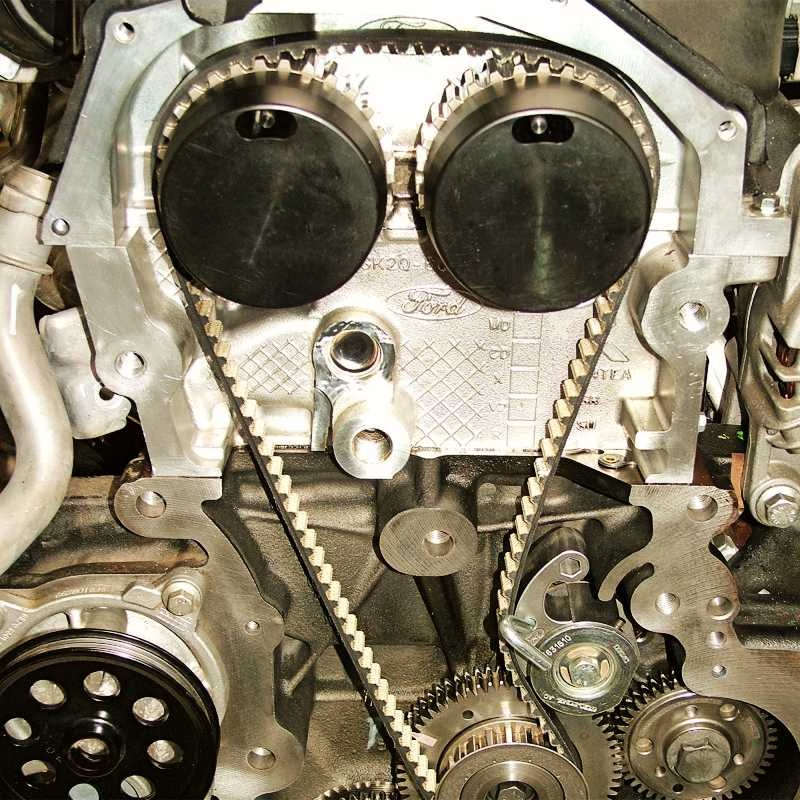
So why all the concern? Because some Transits have experienced premature belt failures. And when a timing belt fails on an interference engine like the EcoBlue, the consequences are severe. Bent valves. Damaged pistons. Potentially a completely destroyed engine.
Forum posts about £5,000 repair bills tend to stick in your memory. They spread quickly. And they create an impression that wet belts are fundamentally flawed.
But here’s what those posts often don’t mention: the maintenance history of the affected vehicles.
Most wet belt failures can be traced back to oil-related issues. Specifically:
Diesel dilution – When fuel contaminates the oil (from incomplete DPF regeneration cycles), it degrades the belt material faster than expected.
Soot build-up – Poor quality oil or extended oil change intervals allow soot particles to accumulate, which can damage the belt.
Wrong oil specification – Using oil that doesn’t meet Ford’s requirements can accelerate belt wear.
Notice a pattern? These are all maintenance issues, not design flaws.
Motorhome usage patterns – low mileage, short trips, long storage periods – create conditions where diesel dilution and oil degradation are more likely. If you’re not changing your oil frequently enough, you’re increasing the risk.
But here’s the reassuring part: thousands of Ford Transits with wet belts are running reliably right now. Owners who maintain them properly aren’t having problems. The horror stories, while real, represent a small minority – typically vehicles that weren’t looked after correctly.
Ford has revised their service guidance in response to concerns, now recommending belt replacement around 6 years or 100,000 miles (whichever comes first). For motorhome use, erring toward the earlier side makes sense.
Rather than worrying, focus on what’s within your control:
The Ford Transit wet belt isn’t something to fear. It’s something to respect through good maintenance. Look after your oil, and your belt will look after you.
Your engine can’t speak, but it can communicate. Learning to read the signals means catching small problems before they become expensive disasters.
Here are five warning signs worth knowing:
This seems backwards. Surely more oil is good? Not when you haven’t added any.
If your oil level is climbing without you topping it up, fuel is probably getting into the oil. This happens when DPF regeneration cycles don’t complete – common with short-trip motorhome use.
Check your dipstick regularly. If the level’s rising, get it investigated. Diesel-diluted oil doesn’t protect your engine properly and can damage your wet belt.
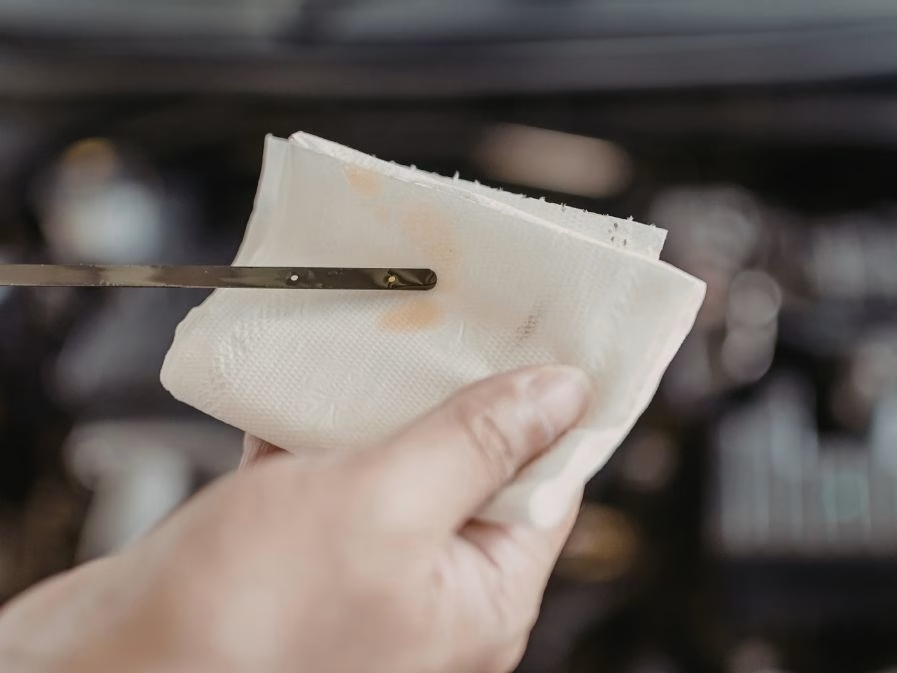
Pull out your dipstick and give it a sniff. Fresh oil has a distinct, almost honey-like smell. Oil contaminated with diesel smells… like diesel.
If there’s a noticeable fuel odour, that’s confirmation of diesel dilution. Time for an oil change and a conversation with your mechanic about your driving patterns.
Engines have their own soundtrack. You get used to it. So when something changes – a new ticking, rattling, or knocking – pay attention.
Timing belt issues sometimes announce themselves with unusual noises from the front of the engine. So do problems with the tensioner or water pump (which often share the belt system).
Not every noise means catastrophe. But unexplained sounds warrant investigation. Better to pay for a diagnostic check than ignore something important.
That orange engine symbol on your dashboard isn’t there for decoration. When it illuminates, something needs attention.
Modern engine management systems monitor dozens of parameters. A warning light could indicate anything from a minor sensor issue to something more serious. Don’t assume. Don’t ignore. Get it read.
Most garages can plug in a diagnostic tool and tell you the fault code within minutes. The peace of mind is worth the small fee.
Even small leaks matter. A few drops on your driveway might not seem urgent, but oil that’s leaking isn’t lubricating your engine.
Check underneath your motorhome occasionally. Look for fresh oil spots. Address leaks promptly – they rarely fix themselves and often get worse.
The common thread: Early attention to these signs is far cheaper than ignoring them. A quick check by a knowledgeable mechanic can save thousands in repairs. Your Transit is trying to tell you something. Listen.
Let’s talk numbers. Because sometimes the best motivation for preventative maintenance is understanding what neglect actually costs.
Regular oil change: £80–£150
Depends on the garage, the oil brand, and your location. Call it £100 as a rough average.
Annual oil changes over 5 years: £400–£750
That’s five years of proper engine protection. Less than the cost of a decent weekend away.
Preventative timing belt replacement: £400–£800
Done proactively, before any problems develop. Peace of mind included.
Now compare that to what goes wrong when maintenance lapses:
Engine rebuild after timing belt failure: £3,000–£6,000+
This assumes the engine is salvageable. Many aren’t.
Complete engine replacement: £5,000–£10,000+
When the damage is too severe to repair. Plus the inconvenience, the time without your motorhome, and the stress.
The maths is stark. Five years of proper oil changes plus a preventative belt replacement costs roughly £1,000–£1,500. A single major failure costs three to ten times that.
This isn’t about being paranoid. It’s about being sensible. Every oil change is an investment in avoiding that catastrophic repair bill. Every pound spent on maintenance is insurance against the unexpected.
Your motorhome represents a significant investment. Protecting that investment with regular Ford Transit campervan servicing isn’t an expense – it’s common sense.
Not all mechanics understand motorhomes. And that can be a problem.
Many local garages primarily see commercial Transits – vehicles doing 30,000+ miles a year, worked hard, serviced on mileage intervals. When you bring in a motorhome that’s done 3,000 miles in two years, they might dismiss your concerns about oil degradation.
“It’s barely been used,” they’ll say. “The oil’s fine.”
Except it isn’t. And a mechanic who doesn’t understand leisure vehicle usage patterns might not give your motorhome the attention it needs.
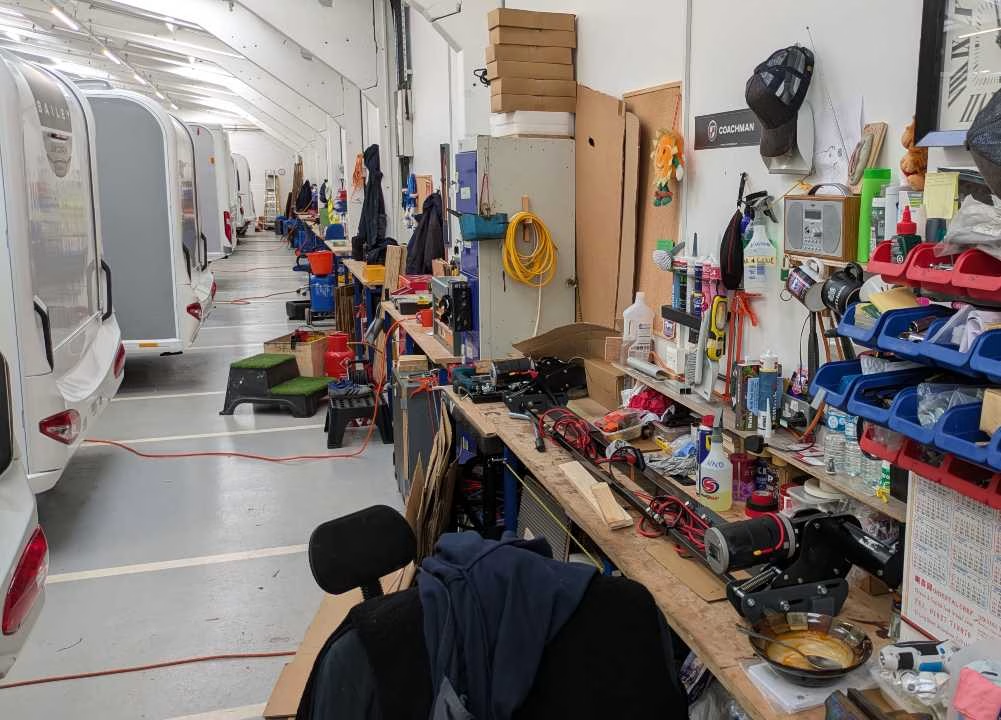
Before booking a service, it’s worth having a conversation:
Do they service other motorhomes or campervans? Experience with leisure vehicles matters. Mechanics who understand the low-mileage, seasonal-use pattern will take your concerns seriously.
Are they familiar with EcoBlue engines? The wet belt system has specific requirements. You want someone who knows what to look for.
Will they use the correct Ford-specification oil? This should be non-negotiable. If they can’t confirm they’ll use WSS-M2C913-D compliant oil, look elsewhere.
Can they inspect the timing belt as part of a service? On EcoBlue engines, this requires some knowledge and the right tools. Not every garage is equipped.
A proper Ford Transit motorhome service isn’t just an oil and filter swap. It should include:
That last point matters. A good mechanic asks questions. They want to understand how you use your vehicle so they can give appropriate advice.
The bottom line: It’s sometimes worth travelling a bit further for a garage that truly understands leisure vehicles. The right mechanic is an investment in your peace of mind. Don’t settle for someone who treats your motorhome like just another van.
Most UK motorhomes follow a predictable rhythm. Busy spring and summer. Quiet autumn and winter. Months of adventures followed by months on the driveway.
Your oil change schedule should work with this pattern, not against it.
Spring is coming. You’re planning trips. The motorhome’s been sitting since October. Before you head off, take twenty minutes for some basic checks.
Check the oil level and condition. Has the level dropped? Changed colour significantly? Does it smell of diesel? These tell you whether you’re starting the season with good oil or compromised oil.
If the oil wasn’t changed last autumn, change it now. Don’t start the touring season with oil that’s been sitting and degrading for five months. Fresh oil costs £100. Engine damage costs thousands.
Run the engine properly. Before your first proper trip, take a 20–30 minute drive. Let everything get up to temperature. This circulates the fresh oil, warms the DPF, and lets you check that everything’s working as it should.

Here’s the oil change most owners forget. And it’s arguably the most important one.
When you park up your motorhome for winter, don’t leave contaminated oil sitting in the engine for months. All those combustion byproducts, all that accumulated moisture, all that potential diesel dilution – left to marinate in your sump until spring.
Change the oil before storage. Fresh oil protects internal components during the dormant months. It doesn’t degrade as quickly as oil that’s already been working hard. It’s the kindest thing you can do for your engine before saying goodnight for winter.
Think of it as tucking your motorhome in properly. You wouldn’t leave food in the fridge for six months. Don’t leave tired oil in your engine either.
If possible, don’t let your motorhome sit completely dormant from November to April. Engines benefit from occasional use.
Run it once a month. Fifteen to twenty minutes, ideally including a short drive. This circulates oil around components that would otherwise sit dry. It prevents seals from drying out. It keeps the battery charged. It reminds the DPF that it exists.
Can’t run it? At minimum, check the oil level monthly. Look under the vehicle for any new leaks. Keep an eye on things even when you’re not using them.
Ford Transit motorhome winter storage doesn’t have to mean complete neglect. A little attention through the cold months pays dividends when spring arrives.
| Time of Year | Action |
| March/April | Check oil, change if needed, pre-season run |
| During touring season | Regular checks, longer drives |
| October/November | Oil change before storage |
| Winter months | Monthly run if possible, otherwise regular checks |
Timing your oil changes around the seasons – rather than just watching the odometer – makes far more sense for how most people actually use their motorhomes.
Here’s everything we’ve covered, distilled into a simple reference you can keep handy. Print it. Screenshot it. Stick it on your motorhome’s noticeboard.
Monthly (year-round):
☐ Check oil level on the dipstick
☐ Note any changes in level or colour
☐ Look for oil leaks under the vehicle
☐ Run the engine for 15–20 minutes if the motorhome’s been sitting
Before each trip:
☐ Quick oil level check
☐ Visual inspection for obvious issues
☐ Ensure the engine reaches full temperature during the drive
Seasonally:
☐ Oil change before winter storage (October/November)
☐ Oil condition check before first spring trip (March/April)
☐ At least one oil change per year, regardless of mileage
Every oil change:
☐ Use oil meeting Ford specification WSS-M2C913-D
☐ Replace the oil filter
☐ Record the date and mileage
At 6 years or 100,000 miles (whichever first):
☐ Have timing belt inspected by a specialist
☐ Consider preventative belt replacement for peace of mind
Ongoing:
☐ Take a 20–30 minute motorway run monthly to complete DPF regeneration
☐ Keep records of all maintenance with dates and mileage
☐ Address any warning signs promptly – don’t ignore unusual noises, warning lights, or changes in oil condition
This isn’t complicated. It’s just consistent. The motorhomes that run reliably for years are the ones whose owners follow simple routines like this. No magic. No secrets. Just regular attention.
How often should I change the oil in my Ford Transit motorhome?
At least annually, regardless of mileage. If you mainly do short trips or the vehicle sits for long periods, every 6 months is sensible. Time matters more than miles for leisure vehicles.
What oil should I use in my Ford Transit EcoBlue?
Oil meeting Ford specification WSS-M2C913-D. Typically 0W-30 or 5W-30 from a reputable brand like Castrol, Mobil, Shell, or Ford’s own Motorcraft range. Check your handbook to confirm.
Should I be worried about the wet belt in my Transit?
Not worried, but aware. The wet belt isn’t a design flaw – it’s an engineering choice that works well with proper maintenance. Keep up with oil changes, use the correct specification, and have the belt inspected around the 6-year mark. Most problems stem from poor maintenance, not inherent issues.
Can I change the oil myself?
If you’re mechanically confident, yes. You’ll need the correct oil, a new filter, the right tools, and somewhere to dispose of the old oil responsibly. That said, given the importance of using the correct spec and having a professional eye on things, many owners prefer a garage service.
How much does a Ford Transit oil change cost?
Typically £80–£150 at a garage, depending on the oil brand used and your location. It’s one of the best-value investments you can make in your engine’s longevity.
When should I replace the timing belt on my Transit?
Ford’s current guidance is around 6 years or 100,000 miles, whichever comes first. For motorhome use patterns (low mileage, short trips, seasonal use), erring toward the earlier side makes sense. Preventative replacement costs £400–£800 – far less than the consequences of failure.
Should I change oil before or after winter storage?
Before. Fresh oil protects engine components during months of inactivity. Leaving contaminated, degraded oil sitting in your engine over winter can cause more harm than the driving you did all summer. Change it in autumn, then check the level and condition before your first spring trip.
What’s diesel dilution and why does it matter?
Diesel dilution happens when fuel enters your engine oil, usually from incomplete DPF regeneration cycles. It’s more common with short-trip driving. Signs include rising oil level and a fuel smell on the dipstick. Diluted oil doesn’t protect properly and can damage your wet belt. Regular longer drives and frequent oil changes prevent it.
You came here worried. You’d read the forum posts, seen the horror stories, and wondered if your Transit was a ticking time bomb.
It isn’t. And now you know why.
You’ve learned that time matters more than miles for motorhome oil changes. You know the right specification, the warning signs to watch for, and why that wet belt isn’t something to fear – just something to respect through proper care.
Looking after your Transit isn’t complicated. It’s just consistent. Annual oil changes. The right oil. A longer drive now and then. Fresh oil before winter. Simple stuff.
Picture next spring. You’re loading up for that first trip of the season. You turn the key, the engine purrs into life, and you pull away knowing everything under that bonnet is exactly as it should be.
No anxiety. No crossed fingers. Just the open road.
That’s what proper maintenance buys you. Not just a working engine – but the confidence to go wherever the mood takes you.
So go on. Check that oil. Book that service. Plan that trip.
The adventures are waiting.