
Feeling completely out of your depth when researching motorhomes? You’re not alone.
Maybe you’re thinking, “There’s so much to consider – layouts, engines, weights, prices – how do I even start?” That’s completely normal. When you’re about to spend £50,000+ on something you’ve never bought before, wanting to get it absolutely right makes perfect sense.
Here’s the thing: stress-driven decisions cost you money and lead to buyer’s remorse. A methodical approach saves both.
This guide to buying a motorhome will eliminate the confusion, help you avoid costly mistakes, and prevent that sinking feeling of “did I choose wrong?” By the end, you’ll feel confident making your first motorhome purchase.
Let’s begin.
Here’s the thing most people get wrong: they walk into a dealership without knowing what they actually want. Sound familiar? You’ve probably spent hours scrolling through motorhome websites, feeling more confused than when you started.
Weekend warriors have completely different needs than full-time travellers. If you’re planning short breaks to the Cotswolds, you don’t need the same setup as someone crossing Europe for months.
Weekend trips mean prioritising ease of driving and quick setup. Full-time travel demands serious storage space and robust systems.

Family adventures versus couple retreats? That’s another world of difference. Four people need different sleeping arrangements, more storage, and definitely more bathroom space. Two people can get away with compact layouts that would drive a family mad within hours.
Think about where you’ll actually go.
UK touring means dealing with narrow country lanes and height barriers regularly. European expeditions require different equipment – think spare parts availability and electrical hookups. The perfect motorhome for Scottish Highlands touring might struggle on Continental dual carriageways.
Here’s your reality check: don’t buy based on someone else’s Instagram-worthy lifestyle.
That couple with the pristine A-class? They might hate the stress of driving it through Devon villages. The family with the massive coachbuilt motorhome? They probably can’t park it where they’d really like to visit.
Create a “Dream Trip Worksheet” right now. Write down your top five intended destinations. List who’ll be travelling with you most often. Be honest about your driving confidence – there’s no shame in preferring something manageable over something impressive.
Let’s cut through the marketing nonsense. The motorhome market offers recreational vehicles in all shapes and sizes, but they fall into four main categories.
Which type fits you? Be brutally honest about your driving confidence and where you actually want to go.
Think you’ve budgeted properly because you know the purchase price? Think again. The true first-year cost of motorhome ownership always catches people off-guard.
Let’s say you’ve found a £60,000 coachbuilt motorhome. Sounds manageable?
Add insurance (£1,200-£2,500 annually), storage (£600-£2,400 per year unless you’ve got suitable space at home); annual service (£300-£800), and immediate accessories you’ll actually need (£500-£1,500). Your first year just became £3,000-£7,000 more expensive.
Depreciation hits hard, too. New motorhomes can lose 20-30% in the first year alone. That £60,000 motorhome becomes worth £42,000-£48,000 twelve months later. Used models aged 2-4 years offer better value – someone else absorbed the depreciation hit.

Storage costs vary wildly by region and type. Outdoor compound storage might cost £50-£80 monthly in rural areas, but £150+ near major cities. Indoor heated storage can hit £300 monthly. Factor this into your annual budget from day one.
Financing options include hire purchase, personal contract purchase, or specialist motorhome finance. HP means you own it at the end, but monthly payments are higher. PCP offers lower monthly payments, but with a balloon payment or hand-back option.
Specialist motorhome lenders often understand the market better than high-street banks. Raymond James can help with finding a motorhome finance package for you.
Cash buyers aren’t necessarily better off – that £60,000 could earn investment returns elsewhere while you finance at competitive rates.
New motorhomes offer complete peace of mind with full warranties, the latest safety features, and zero unknowns about previous treatment. You’ll get current Euro 6 engines for better fuel consumption and lower environmental impact.
But here’s the counterintuitive part: used doesn’t always mean risky. A well-maintained 3-year-old motorhome from a careful owner often represents better value than new.
The sweet spot sits around 2-4 years old. Old enough to avoid the steepest depreciation, young enough to have modern features and remaining warranty.
Seasonal buying strategy matters more than most realise. January through March offers the best deals as dealers clear stock and previous owners sell after holiday bills arrive. September can also bring bargains as people downsize before winter storage costs kick in.
Motorhome dealers often have the most competitive prices, but inspect everything carefully and ensure all paperwork is present.
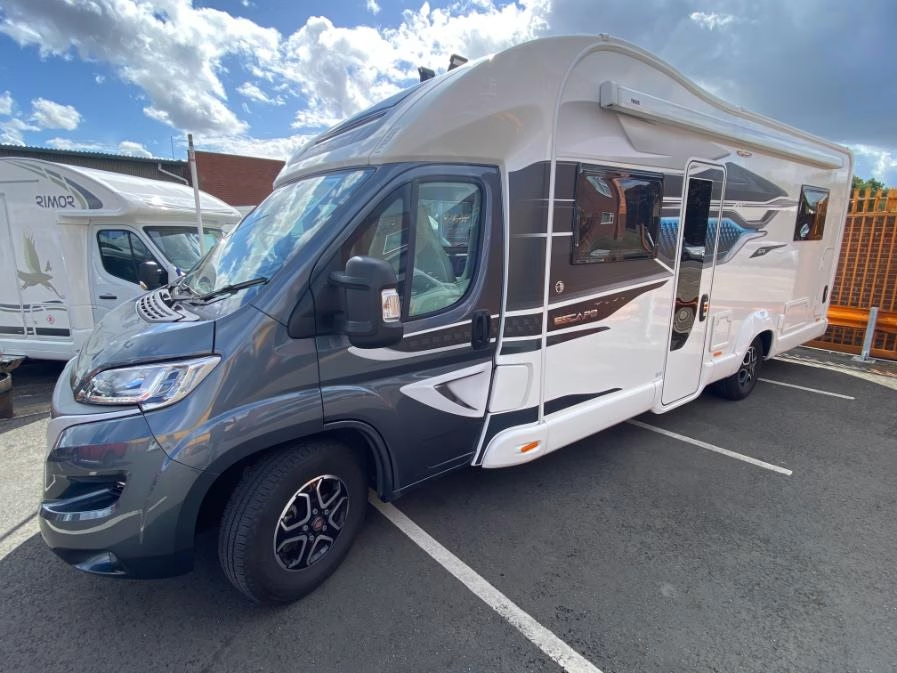
Information overload is real when researching types of motorhome options. You’ll find contradictory advice everywhere, from magazine reviews to owner forums to YouTube channels.
Focus your research on three reliable sources:
Create a maximum shortlist of three to four models you’ll seriously consider. Any more and you’ll drive yourself mad comparing endless specifications that won’t matter in real use.
Research build quality indicators like warranty length, dealer network size, and parts availability. A motorhome is only as good as the support network behind it when things go wrong.
Here’s something most people don’t consider: rent first, buy later.
A week’s rental costs £500-£1,200 but saves thousands in potential buying mistakes. You’ll quickly discover whether that compact layout feels cosy or claustrophobic after three nights.
Does the bed suit you both? Can you cook a proper meal in that kitchen? Is the bathroom genuinely usable or just enough for emergencies?
Rental companies stock current models, so you’re testing exactly what you might buy. Pay attention to storage solutions, how systems actually work, and whether the driving experience feels comfortable or stressful.
It’s much cheaper to discover you hate reversing a 7.5-metre coachbuilt motorhome during a rental week than after spending £80,000 on one.

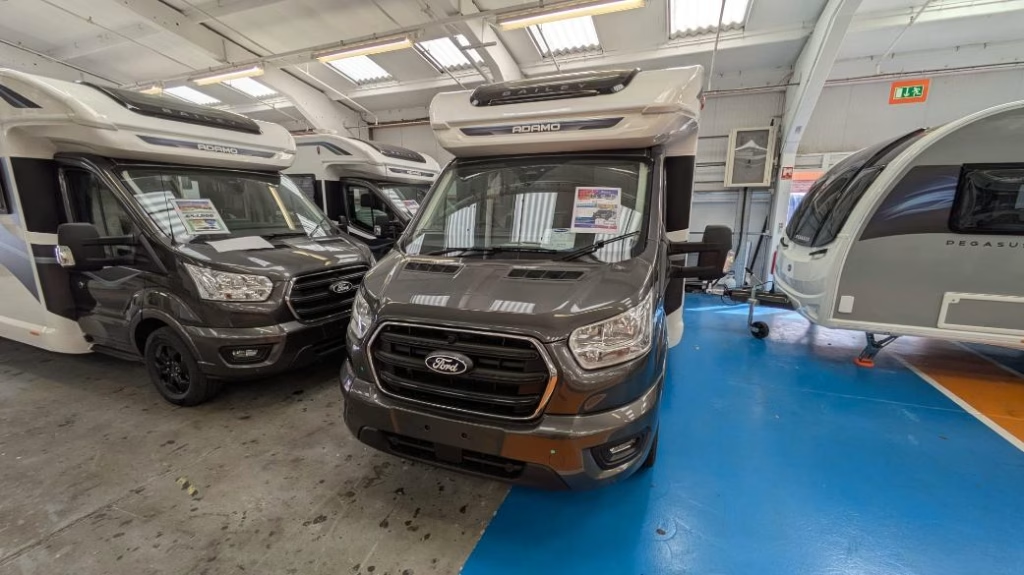
Bailey stands as one of Britain’s most respected motorhome manufacturers, combining innovative design with practical functionality.
Their Adamo range exemplifies this approach perfectly. The Bailey Adamo 75-4I offers impressive storage space in a manageable 7.5-metre length, ideal for couples seeking luxury without excessive size.
The Adamo 75-4T provides a twin-bed layout for those preferring separate sleeping arrangements, while the compact Adamo 69-4 delivers four-berth capability in under 7 metres.
Auto-Sleepers brings nearly 60 years of British manufacturing expertise from their Cotswolds base.
Their award-winning motorhomes reflect decades of understanding of what UK buyers actually need rather than what looks good in brochures.
You’re buying proven experience when you choose Auto-Sleepers – they’ve been perfecting motorhome design since most competitors were still drawing plans. Their reputation for reliability comes from a genuine heritage, not marketing spin.
Auto-Trail dominates the affordable end of the motorhome market from their Grimsby factory.
They specialise in A-Class and coachbuilt vehicles that deliver impressive value without cutting crucial corners. Perfect for first-time buyers who want proven quality at sensible prices.
Their knowledge of UK road conditions and buyer budgets shows in every model. They have practical layouts that work in real-world touring situations.
Elddis operates from County Durham, bringing unique SoLiD Construction technology to their motorhomes and campervans.
This advanced building system creates stronger, lighter structures that resist the damp problems plaguing many competitors.
Their design focuses on long-term use instead of fancy features. This is great if you plan to keep your motorhome for many years and don’t want to change it often.
Moto-Trek represents modern British innovation, launching in 2012 with award-winning panel van conversions featuring clever slide-out systems.
Their contemporary approach to space maximisation suits buyers wanting compact external dimensions with surprisingly spacious interiors.
They’ve quickly become known for their high-quality products, which are as good as older manufacturers. This shows that new ideas can be better than old ones when done right.
Burstner consistently delivers quality coachbuilt motorhomes with excellent build standards and comprehensive warranties. Their dealer network spans the UK, making service accessible wherever you travel.
Hymer represents German engineering excellence but at premium prices. Their build quality justifies the cost if your budget stretches that far.
Chausson provides French flair with practical designs, particularly strong in panel van conversions and compact coachbuilts.
Real-world fuel consumption rarely matches the manufacturer’s claims. Panel van conversions typically achieve 25-30 mpg. Coachbuilt motorhomes drop to 18-25 mpg depending on size and weight. A-class motorhomes often struggle to exceed 15-20 mpg.
Calculate annual fuel costs based on realistic usage. If you plan 5,000 miles annually in a coachbuilt averaging 22 mpg, expect £1,300+ in fuel costs at current diesel prices. That’s before considering AdBlue for Euro 6 engines.
Fiat Ducato and Ford Transit base vehicles dominate the motorhome market for good reason – parts are readily available, mechanics understand them, and fuel consumption remains reasonable given the application.

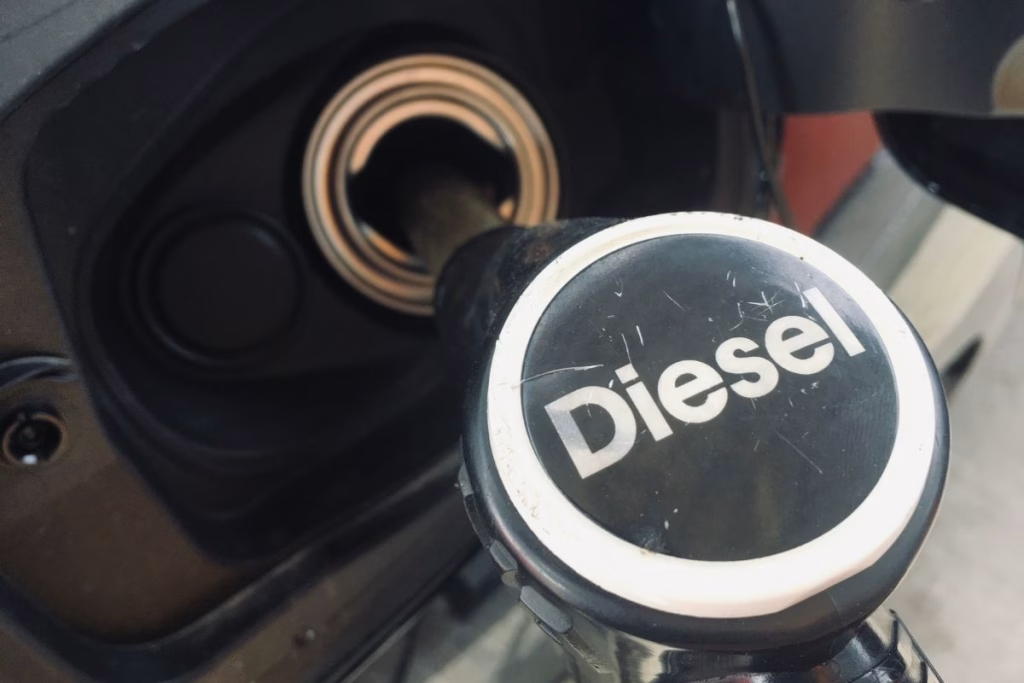
Diesel dominates the motorhome market, and for good reason. Better fuel consumption, more torque for hill climbing, and longer range between fill-ups make diesel the sensible choice for recreational vehicles.
Petrol engines exist mainly in smaller panel van conversions, but they’re rare. Fuel costs are higher, ranges are shorter, and resale values suffer. Stick with diesel unless you find an exceptional petrol conversion at a bargain price.
Consider diesel particulate filter (DPF) issues with stop-start touring. Short journeys prevent proper DPF regeneration, leading to expensive repairs. Plan longer drives regularly or budget for professional DPF cleaning.
Your standard driving licence covers motorhomes up to 3.5 tonnes maximum authorised mass (MAM). Exceed this and you’ll need a C1 licence, which involves theory and practical tests, medical examinations, and ongoing licence renewals every five years after age 65.
Most panel van conversions stay under 3.5 tonnes, but many coachbuilt motorhomes exceed this limit. Check the MAM figure before falling in love with any model you can’t legally drive.
Insurance differs significantly from car cover. Specialist motorhome insurers understand the unique risks and usage patterns. They’ll cover European travel, personal possessions, and breakdown recovery as standard. Regular car insurers often exclude these essentials.
Gas and electrical systems require annual safety checks for insurance validity. Budget £100-£200 annually for professional certification.


Converting a van to a motorhome requires DVLA notification to change the vehicle classification. This affects road tax, insurance, and MOT requirements. The process involves inspections and paperwork – factor this into conversion costs and timelines.
Motorhomes follow different MOT testing procedures than standard vehicles. Gas and electrical systems receive additional scrutiny, and weight distribution checks apply to larger models. Annual MOT costs typically run £10-£20 higher than car tests due to additional complexity.
Import motorhomes require Single Vehicle Approval before UK registration. This expensive process (£500+) includes safety and emissions testing. Factor these costs into any imported vehicle purchase.
Never travel to view without phone preparation first. Ask about service history, any accident damage, and why they’re selling. Request photos of any areas that concern you before making the journey.
During your test drive, focus on how the vehicle feels rather than comparing specifications. Does it pull to one side? Are there any concerning noises? Can you see properly over the bonnet? Trust your instincts – if something feels wrong, investigate further.
Check all gas and electrical systems work properly. Run taps, test the toilet flush, try the heating, and switch on all lights. These systems are expensive to repair and often show how well the motorhome’s been maintained.
Look for damp evidence around windows, vents, and floor areas. Even minor water ingress can cause expensive structural damage over time.

Research market values before visiting. Check similar models on Auto Trader, eBay, and specialist motorhome sites. Knowledge of realistic prices gives you confidence during negotiations.
Never negotiate on first viewing day. Express interest but say you’re viewing others too. Return within a few days if genuinely interested – this shows you’re serious without appearing desperate.
Focus on factual issues rather than personal preferences. “The service history shows irregular maintenance” carries more weight than “we don’t like the interior colour.” Point out any repairs needed and research realistic costs beforehand.
Private sellers often have more flexibility than dealers. Dealers work on fixed margins, but private sellers might accept lower offers to avoid continuing viewings and advertising costs.

Home storage sounds ideal but often proves impossible. Planning permission requirements, neighbour objections, and access issues often kill home storage plans. Check with your local council before assuming you can park a motorhome at home.
Professional storage options range from basic outdoor compounds to luxury heated indoor facilities.
Outdoor storage costs £50-£150 monthly depending on location and security level. Indoor storage can reach £300+ monthly but offers better protection and often includes services like battery conditioning.
Security matters enormously. Motorhomes are easy targets for thieves. Insurance companies are now asking for approved storage places or security devices to protect them.


Covered storage offers weather protection without heated facility costs. Expect to pay £80-£150 monthly for barn-style or purpose-built covered areas. This middle-ground option suits most owners, balancing cost against protection.
Check access arrangements carefully. Some facilities limit weekend access or charge extra for frequent visits. Consider how often you’ll need motorhome access before committing to restrictive arrangements.
Converting existing garages requires planning permission in most areas. Minimum ceiling height needs to accommodate your specific motorhome plus access space. Factor in utility relocations and floor reinforcement costs.
Purpose-built motorhome garages cost £8,000-£15,000 depending on size and specification. Compare this against five years’ commercial storage costs before deciding. Planning permission adds 3-6 months to project timelines.
Carports offer weather protection at a lower cost than full garages. Prices start around £3,000 for basic structures suitable for panel van conversions. Check planning requirements – some areas allow carports under permitted development rights.

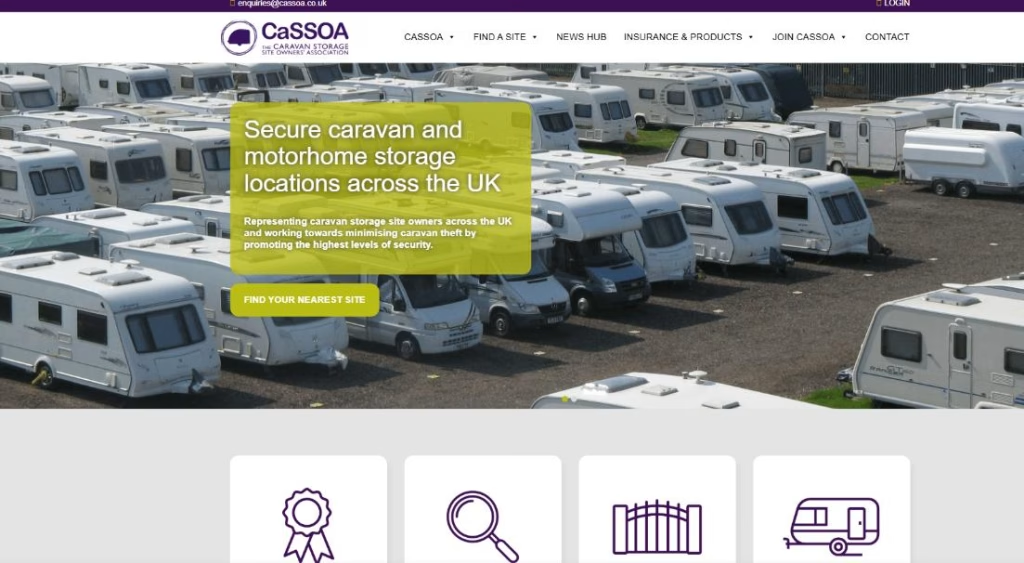
The CASSOA maintains storage facility directories. Their website includes member facilities offering secure motorhome storage with vetted operators.
Local motorhome clubs often know members offering private storage. This works especially well in rural areas where commercial options are limited.
Search “motorhome storage near me” on Google Maps, but verify insurance approval before committing. Many insurers maintain approved facility lists – check compatibility before signing contracts.
Plan practice runs before major adventures. Empty car parks on Sunday mornings offer perfect spaces to learn manoeuvering without pressure. Master reversing, understand your motorhome’s dimensions, and practice connecting services.
Ignore expensive dealer add-ons initially. The most important kit costs less than £200. It includes a wheelclamp, first aid kit, carbon monoxide detector, fire extinguisher, and basic levelling blocks. Everything else can wait until you understand what you actually need.
Join motorhome clubs for advice, discounted sites, and community support. The learning curve feels less steep when you’re not tackling it alone.
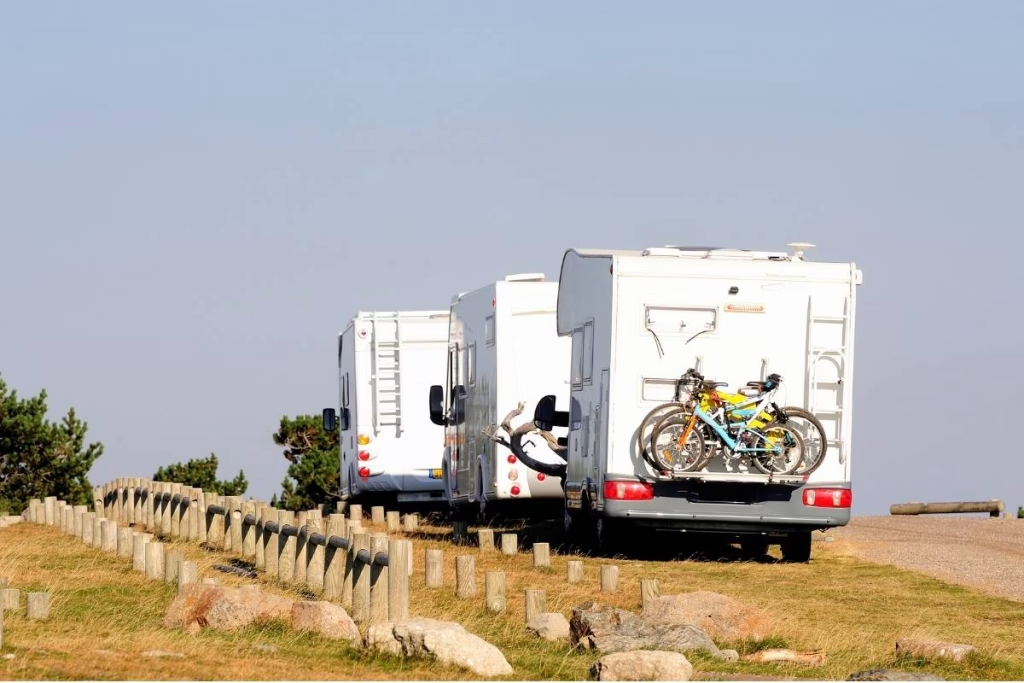

Start with Caravan and Motorhome Club or Camping and Caravanning Club sites. Their facilities cater specifically for motorhomes and campervans, with clear arrival procedures and helpful wardens. Book ahead – popular sites fill quickly.
Choose destinations with easy-access routes initially. Avoid narrow lanes, steep hills, or complex city centres until you’ve built confidence. The New Forest offers excellent beginner touring with wide roads and numerous suitable sites.
Lake District touring requires confidence with hills and narrow roads, but rewards experienced drivers with stunning scenery. Wait until you’re comfortable with your motorhome’s dimensions and handling.
Scotland’s North Coast 500 looks appealing but challenges even experienced motorhome drivers. Single-track roads and limited facilities make this unsuitable for beginners. Build experience elsewhere first.
European touring opens up once you’re confident at home. Ferry crossings are straightforward, and Continental roads often offer easier driving than UK routes. Start with northern France or Belgium for familiar facilities and easy communication.


Battery monitoring systems prevent the frustration of unexpected power losses. Simple LED displays cost £30-£80 and provide essential information about your leisure battery condition. Install yourself or ask any auto-electrician.
Water level indicators take the guesswork out of tank monitoring. Basic systems cost £50-£100 and install easily in most motorhomes. Knowing your water situation prevents awkward dry tank discoveries.
Levelling aids improve comfort and appliance efficiency. Plastic levelling blocks cost £20-£40 and work well for most applications. Add wheel chocks for safety on slopes.
Leisure battery upgrades deliver better performance than standard equipment. Lithium batteries cost more initially (£300-£800) but last longer and charge faster than traditional lead-acid types. Consider this after understanding your actual power needs.
Solar panels suit extended wild camping but offer limited benefits for site-based touring. Basic 100W panels cost £200-£400 including installation, but UK weather limits their effectiveness.
Calculate realistic power generation before buying. Solar panels produce useful power only in direct sunlight – rare during typical UK touring seasons. Battery chargers or alternator charging often provide better value.
Flexible panels cost less than rigid types but wear out faster. Rigid panels last longer but require roof modifications. Factor installation costs and warranty implications into your decision.


Look around for awnings, but the dealers offer good deals. Independent suppliers can offer identical products at significantly lower prices, but you might need help installing them anyway. Installation takes an afternoon with basic DIY skills.
Drive-away awnings suit touring better than fixed types. You can leave the awning pitched while exploring in your motorhome. Prices start at around £200 for basic models.
Size matters more than features. Measure your motorhome’s awning rail length and choose appropriately. Oversized awnings create unnecessary complications, while undersized versions look odd and provide insufficient shelter.
Proper winterisation prevents expensive freeze damage. Drain all water systems completely – water pumps, tanks, pipes, and water heaters. Even small amounts of residual water can cause thousands in damage during hard frosts.
Battery maintenance becomes critical during storage. Disconnect leisure batteries and either remove for indoor storage or connect to automatic chargers. Lead-acid batteries self-discharge during storage and suffer permanent damage if left flat.
Ventilation prevents condensation problems during storage. Leave roof vents slightly open and use moisture absorbers inside. Condensation leads to mould growth and fabric damage over extended storage periods.
Check insurance requirements for winter storage. Many policies specify storage conditions and security measures. Non-compliance could void coverage when you need it most.


Recommissioning takes time after winter storage. Allow a full day to restart all systems properly and check for winter damage. Rushing through this process often causes problems on first trips.
Refill water systems gradually, checking for leaks at every stage. Winter freeze-thaw cycles can damage pipes and connections. Better to discover problems at home than during holidays.
Test all appliances before travelling. Gas systems, heating, refrigeration, and electrical equipment need functional checks after storage periods. Book professional services if anything seems wrong.
Booking popular sites requires planning months ahead. School holiday periods fill first, followed by bank holiday weekends. Book by January for summer touring to avoid disappointment.
Avoid peak travel days when possible. Friday afternoons and Sunday evenings create traffic chaos on popular routes. Tuesday through Thursday departures often mean quieter roads and easier site arrivals.
Popular destinations become overcrowded during peak season. Consider lesser-known areas that offer similar attractions without the crowds. Scotland’s quieter regions provide stunning scenery with easier site availability.

Winter touring offers unique rewards for prepared motorhomes. Dramatic landscapes, fewer crowds, and significantly cheaper site fees make cold-weather touring attractive. Ensure your heating systems work reliably first.
The ‘shoulder seasons’ (April-May and September-October) provide excellent value touring. Weather remains reasonable; sites charge lower fees, and popular attractions are less crowded. Many experienced owners prefer these periods.
Christmas and New Year touring creates magical memories. Many sites offer festive programs and special activities. Book early – these periods are popular with experienced motorhome owners seeking unique celebrations.
Complete Inspection Checklist Print this before every viewing. It covers mechanical, electrical, and living systems so you don’t forget anything important. Tick boxes make it simple – no complicated forms or confusing jargon.
How to Use This Checklist:
Print this checklist before every viewing. Tick each item as you inspect it – don’t rely on memory when viewing multiple motorhomes. Bring a torch for dark storage areas and underside checks. Take your time – rushing inspections leads to expensive discoveries later. If the seller pressures you to skip checks, walk away immediately. Any concerning findings deserve professional inspection before purchase.
Engine and Drivetrain:
Test Drive Assessment:
Tyres and Wheels:
Leisure Battery and Charging:
Interior Electrics:
External and Safety Electrics:
Gas Safety and Function:
Gas Heating:
Fresh Water:
Waste Water:
External Inspection:
Damp and Water Ingress:
Interior Condition:
Storage and Access:
Essential Paperwork:
Red Flags That Mean Walk Away:
Any seller who:
Trust your instincts. If something feels wrong, it probably is. Better to miss out on one motorhome than buy someone else’s expensive problem.
SearchForSites app helps find suitable overnight stops with motorhome-specific filters. Includes height barriers, weight limits, and facility information. Essential for spontaneous touring.
Tyre pressure monitoring systems prevent dangerous blowouts and improve fuel consumption. Aftermarket systems cost £100-£200 and can be installed easily on most motorhomes.
RAC and AA provide specialist motorhome breakdown services. Their recovery vehicles can handle larger motorhomes that defeat standard breakdown services. Keep membership cards easily accessible.
Gas system emergency services operate 24/7 for serious problems. Calor Gas maintains emergency contact numbers for their registered installers. Store these numbers in your phone before travelling.
Motorhome insurance helplines provide immediate assistance during accidents or breakdowns. Many offer European assistance and legal advice. Keep policy numbers and contact details readily available.
Your motorhome journey depends on preparation, not luck. Use these resources to make informed decisions and enjoy stress-free adventures from day one.